
Current Reading Journey
I have always been the type of person who starts new books before finishing the previous ones. In some sense, I am probably a typical “bookworm” — constantly wandering between different subjects, ideas, and perspectives. There is something deeply enjoyable about meandering through different disciplines and ideas without forcing myself into a rigid reading structure. Most of the books I read are non-fiction. More than simply acquiring information, I often read with a deeper underlying question in mind:
How can these ideas help people understand each other better and perhaps bring society a little closer together in an increasingly fragmented age?
Below are a few books I am currently reading concurrently and some thoughts on why they caught my attention.
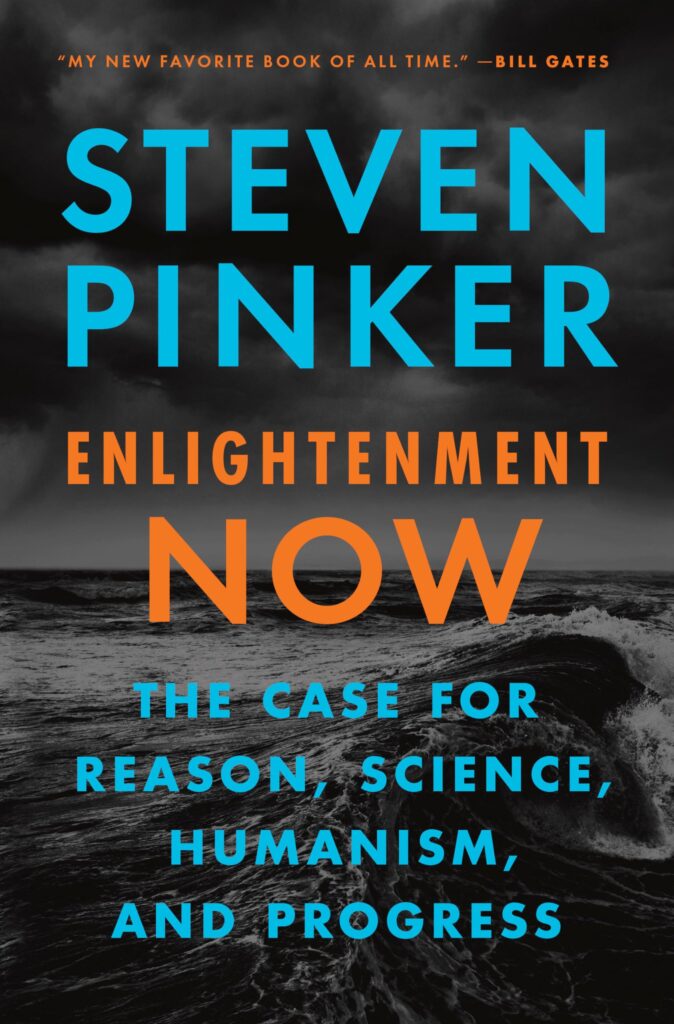
Enlightenment Now — Steven Pinker
When I first saw this book, my mind immediately jumped to the contrast between the Enlightenment and the so-called “Dark Ages” of medieval Europe. The title itself carries a kind of civilizational ambition — the idea that reason, science, and humanism still matter in the modern world.
Previously, I listened to Pinker’s The Blank Slate on YouTube, and topics surrounding human nature have fascinated me ever since. Questions such as:
- Are humans fundamentally shaped by biology or environment?
- How much of human behavior is culturally constructed?
- Can societies progress morally over time?
These are the kinds of questions I often find myself thinking about. Whether one fully agrees with Pinker or not, I appreciate his attempt to defend rationality and long-term human progress in an age increasingly dominated by outrage and pessimism.
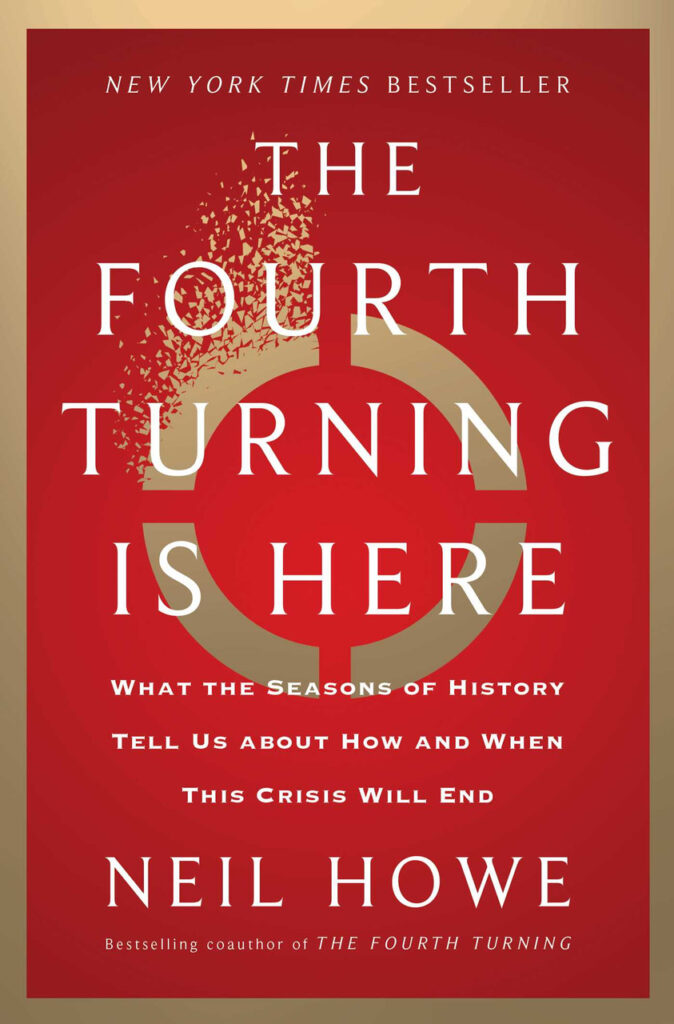
The Fourth Turning Is Here — Neil Howe
Economically, I had previously heard about long-cycle theories such as the Kondratiev Wave, but what intrigued me about this book was its attempt to identify recurring historical and sociological patterns across generations.
The authors propose that history moves in cyclical “turnings,” where periods of stability gradually give way to institutional crisis and transformation. Whether the theory is ultimately accurate or not, I find the framework intellectually stimulating because it encourages readers to think beyond short-term events and instead examine civilization through larger historical rhythms.
In a world filled with rapid technological change, political polarization, and social uncertainty, the book feels strangely relevant.
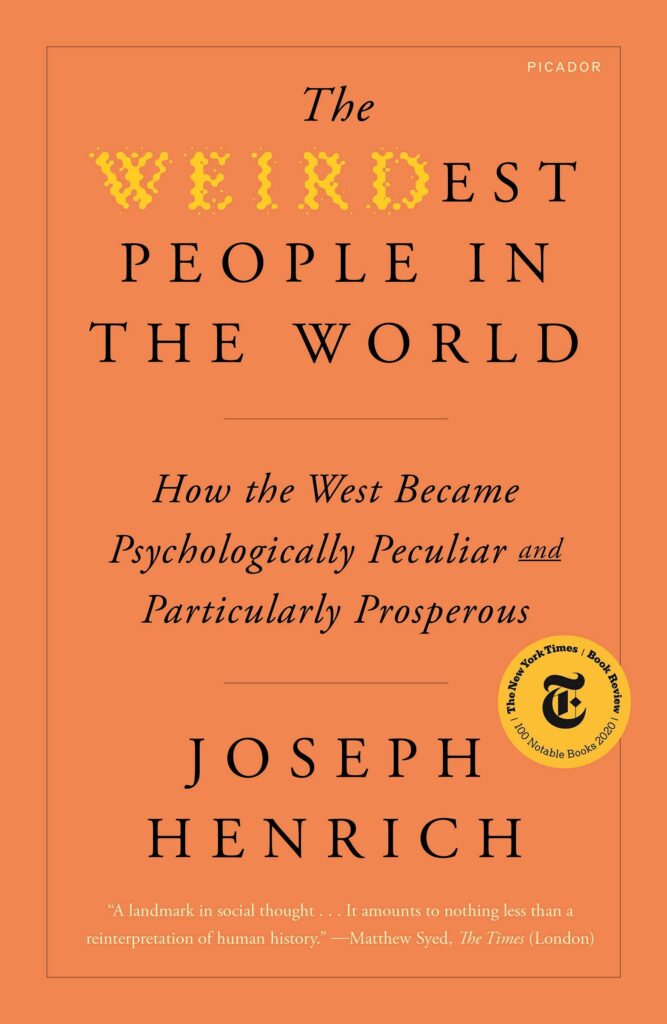
The WEIRDest People in the World — Joseph Henrich
I originally bought this book out of pure cultural and psychological curiosity.
Last year, I finished American Nations by Colin Woodard, and I was surprised by how closely his explanations of U.S. regional cultures aligned with the impressions I personally developed while traveling throughout different parts of the United States. The cultural differences between regions often felt deeper than simple politics or accents.
Henrich’s book extends that line of thought further by examining how Western societies developed unusually individualistic psychological traits over centuries. The central argument — that many “normal” human behaviors are actually culturally specific rather than universal — is both fascinating and humbling.
Books like this remind me that culture shapes not only what people believe, but even how they perceive reality itself.
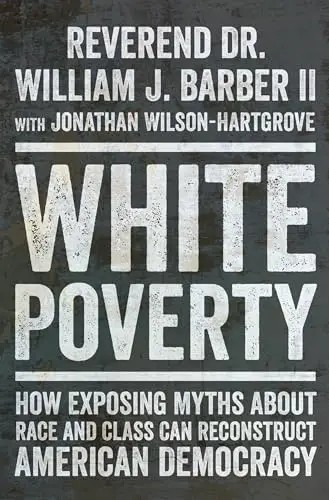
White Poverty — Reverend Dr. William J. Barber II
I found this book at an independent bookstore during a visit to Ann Arbor, Michigan.
What immediately caught my attention was the opening sentence:
“This is a book by a black man about white poverty.”
That single line alone challenged many assumptions and immediately made me curious about the broader argument. The book approaches poverty not merely as an economic issue, but as something deeply connected to political narratives, race, history, and social structure in America.
Regardless of political position, I think books like this are valuable because they force readers to confront uncomfortable realities that are often oversimplified in public discourse.
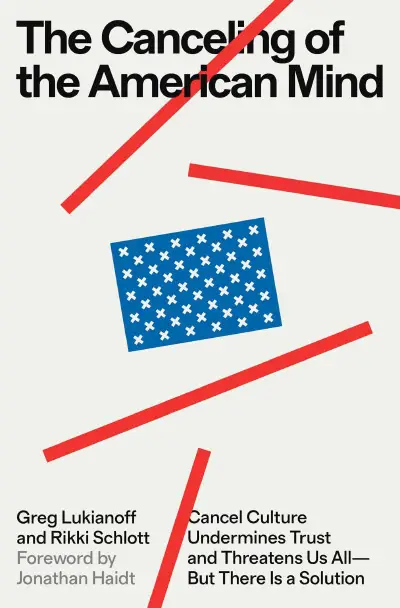
The Canceling of the American Mind — Greg Lukianoff & Rikki Schlott
I happened to discover this book while waiting for someone at a bookstore.
What interested me most was actually the appendix section, which includes FIRE’s “2025 College Free Speech Rankings.” As someone interested in culture, language, and social psychology, I have become increasingly curious about the tension between free expression, social responsibility, ideological polarization, and institutional trust in modern society.
The topic itself is highly controversial, but I think understanding multiple perspectives is increasingly important in an era where online discourse often pushes people toward simplified extremes.
Closing Thoughts
Although these books span very different topics — psychology, history, culture, economics, politics, and philosophy — I think they are all connected in one way or another.
At their core, they all attempt to answer questions about:
- how societies function,
- why people think differently,
- how civilizations evolve,
- and how humans might coexist more peacefully despite those differences.
Perhaps that is why I continue drifting between so many fields and ideas. I do not necessarily read in search of certainty.
More often, I read in search of understanding.
— Linden Lake
Leave a Reply