When I completed my Master of Science in Computer Science in 2024, I wanted to celebrate in a way that felt meaningful. Rather than taking a typical vacation, I chose to make a pilgrimage to a place that has long represented the pursuit of knowledge itself—Boston.
Looking back, it almost felt symbolic. Growing up in Japan, I owned a sweatshirt with the Boston University logo on it, long before I knew anything about the city. Somehow, Boston had quietly existed in the background of my life for years.
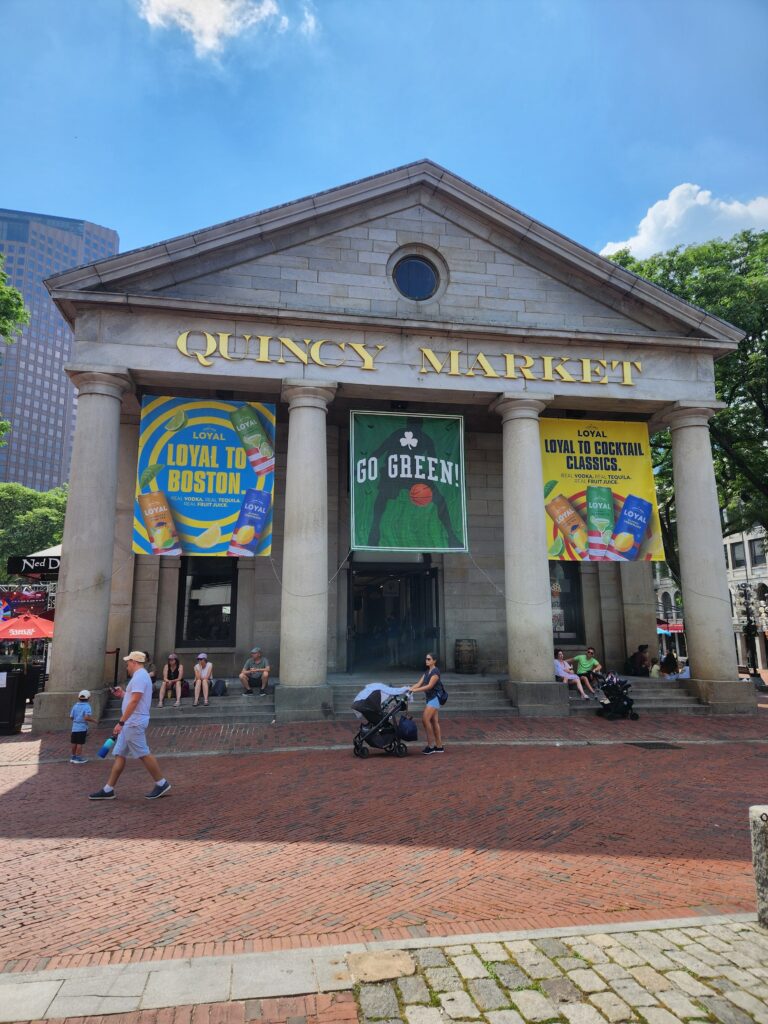

We stayed near the harbor, within walking distance of Quincy Market, which quickly became one of my favorite places in the city. Between bowls of creamy New England clam chowder and the lively historic marketplace, it reminded me a little of Pike Place Market in Seattle, though with a distinctly East Coast personality.
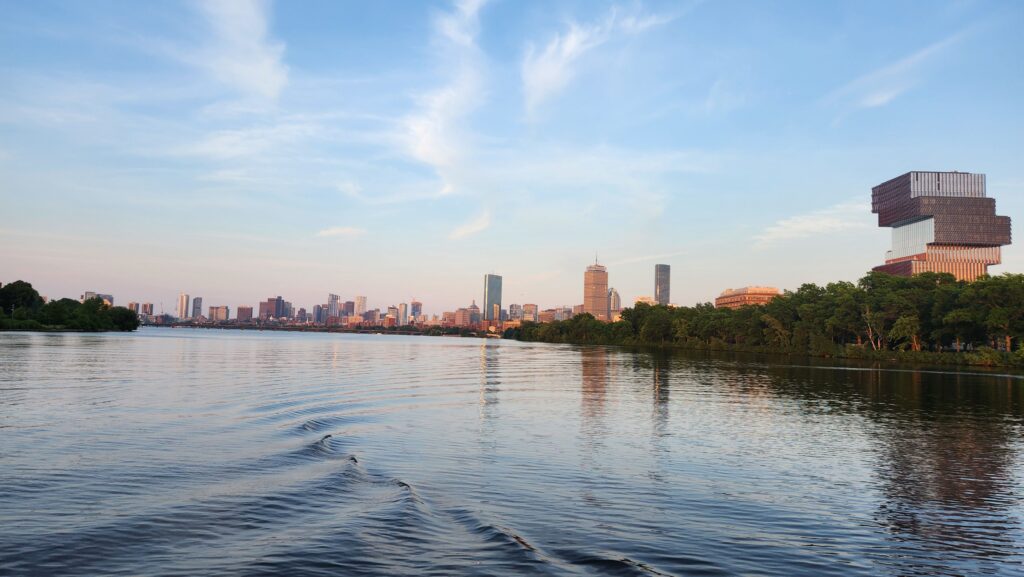
The weather during our visit was relentlessly hot, with temperatures well over 90°F (32°C). To escape the heat for a while, we joined both a whale-watching cruise and a separate sunset harbor tour. The cool Atlantic breeze was a welcome break from the city’s humidity. Seeing whales in the wild was an unforgettable experience, while the sunset cruise offered a beautiful view of Boston Harbor as the day came to an end.
As someone who enjoys both history and architecture, I also visited the Old South Meeting House and had dinner at the historic Union Oyster House, America’s oldest continuously operating restaurant. Walking through Boston often feels like walking through the opening chapters of American history.
Of course, no visit to Boston would be complete without crossing the Charles River to Cambridge. Harvard University and the Massachusetts Institute of Technology have shaped modern science and technology for generations. Since I had just completed my computer science degree, visiting MIT carried particular meaning.
The MIT Museum happened to feature a large exhibition on artificial intelligence and neural networks. Having recently studied machine learning and deep learning, I found myself surprisingly familiar with many of the concepts being presented. Instead of feeling like a tourist, I felt like I was reconnecting with ideas I had spent years learning.
I also spent far longer than I expected inside the MIT Press Bookstore. Over the years, I have collected quite a few books from the MIT Press Essential Knowledge Series, so it was enjoyable to finally browse the place where many of them originated.
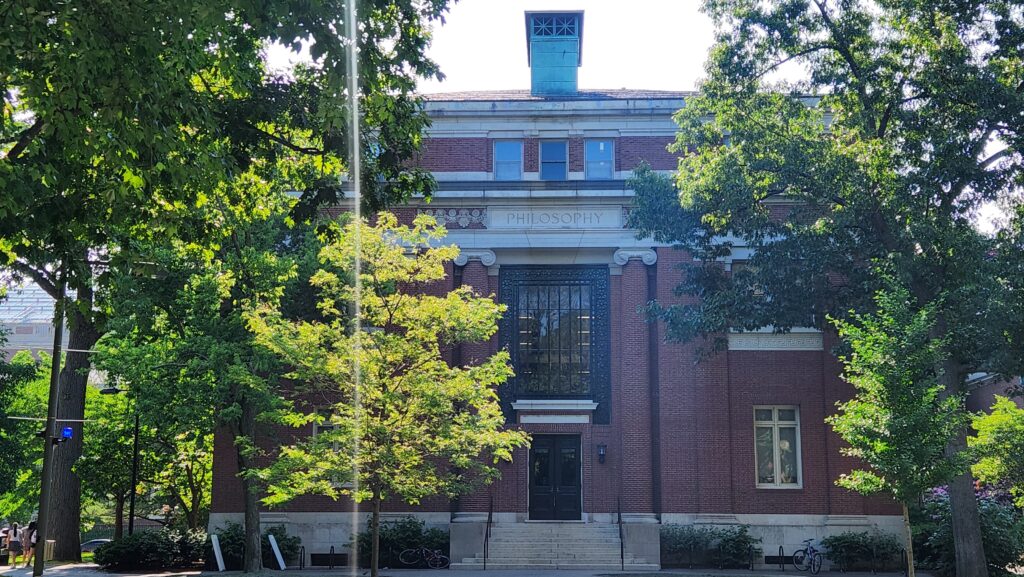
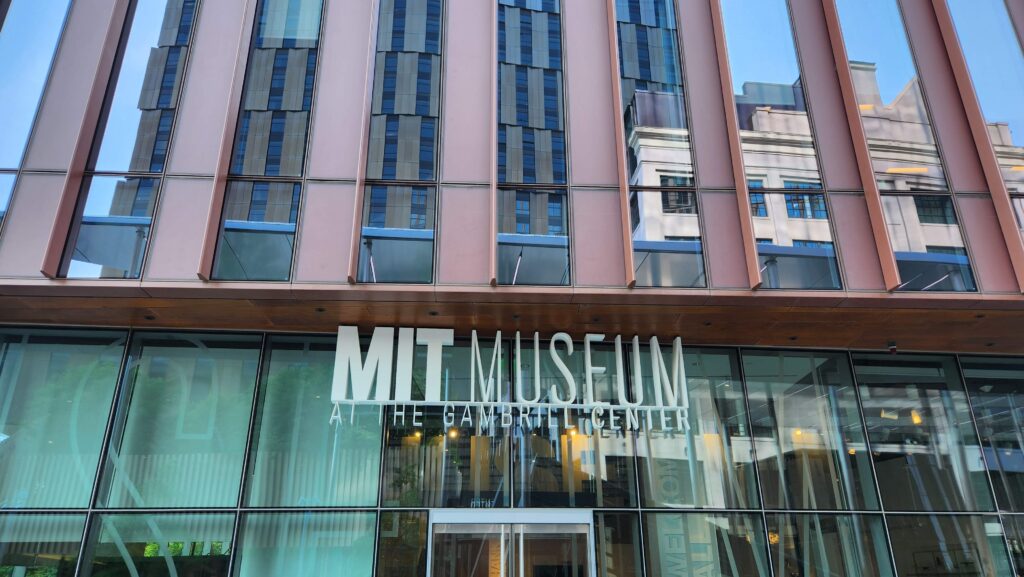
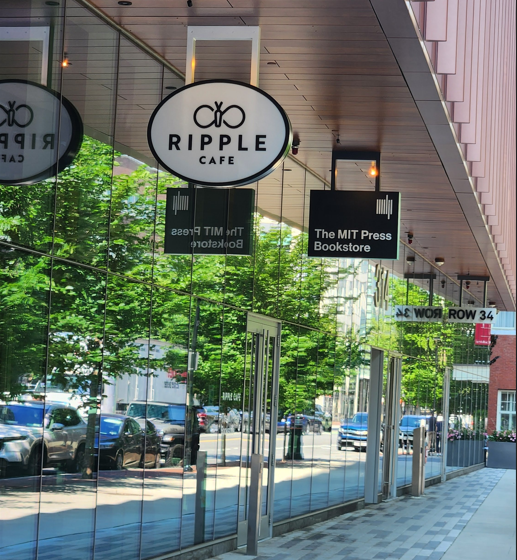
One thing that fascinated me was Boston’s transformation through history. Founded by Puritan settlers in the 1600s, the city eventually grew into one of the world’s leading centers of higher education, scientific research, medicine, and technological innovation. Seeing that historical progression in person made the city even more interesting.
Yankees and Texans
Another impression I had of Boston came not from history, but from television.
One of my favorite legal dramas, Boston Legal, is set in the city. Looking back, I find it remarkable how many of the show’s legal and social issues were ahead of their time. Several controversial topics portrayed in the series eventually became mainstream discussions or legal realities during the 2010s.
One episode that has always stayed with me is Season 1, Episode 17, when Alan Shore travels to Houston to help defend a man facing execution. He passionately criticizes Texas’s extensive use of the death penalty, highlighting the cultural and legal differences between Boston and Texas. Whether one agrees with his views or not, it paints an interesting contrast between two very different parts of America.
That reminded me of another television scene.
In Young Sheldon, Sheldon Cooper visits MIT with his father during winter while deciding where to attend graduate school. The freezing Boston weather convinces him almost immediately that California’s Caltech might be a better fit.
(If you’re interested, I wrote about my trip to Texas in an earlier post: One Song That Took Me to the Lone Star State.)
A Few Fun Discoveries
One small fact I learned during the trip surprised me: Dunkin’ is actually a Massachusetts company.
Although McDonald’s coffee remains my personal favorite, Dunkin’ was practically my best friend throughout my college years. Somehow it felt appropriate to enjoy a cup in its home region.
Another thing I noticed was just how often the name “Charlie” appears around Boston. There is the Charles River, CharlieCards, CharlieTickets, and countless businesses using Charles or Charlie in their names. Naturally, my first association was the famous YouTube video Charlie Bit My Finger. Seeing the name everywhere also made me think about Boston’s long British heritage. Whether that’s actually the reason or not, it certainly felt that way while exploring the city.
Then something unexpectedly amusing happened.
On my last day, after landing back at Chicago O’Hare Airport, I found a cellphone lying on the restroom floor just before leaving the secure area. I tried a couple of simple passcodes, and surprisingly one of them worked. I was able to contact the owner and return the phone.
His name?
Charlie.
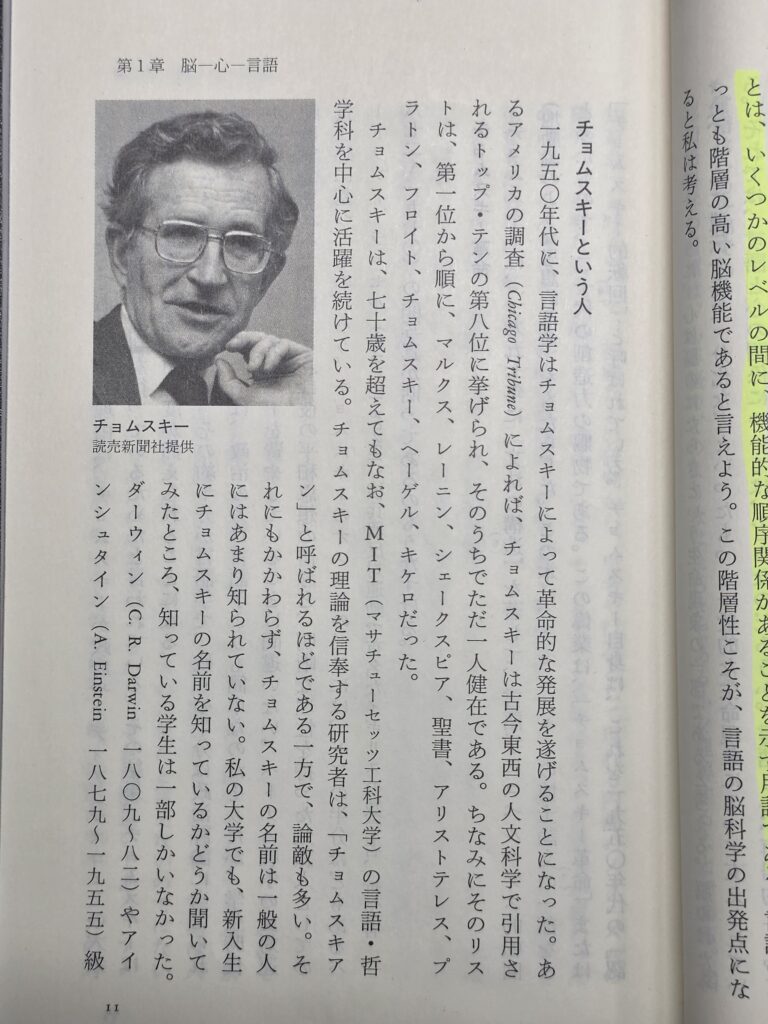
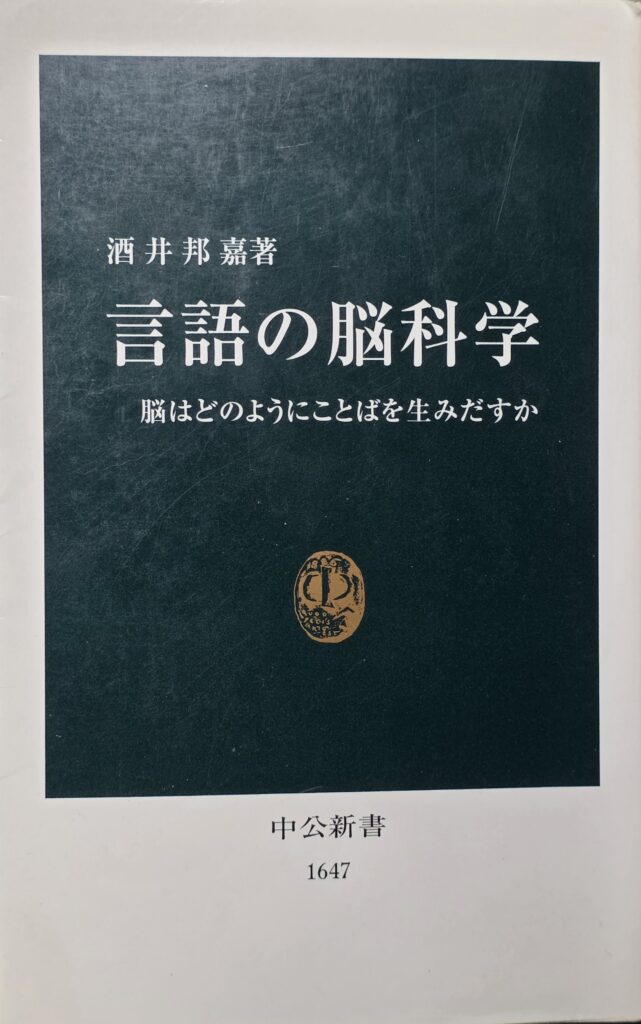
A few days after returning home, I picked up a Japanese book on neurolinguistics published in 2002. In the opening chapter, I came across Noam Chomsky’s theories of language and learned that he had spent much of his academic career at MIT.
The timing felt oddly satisfying. Only days before, I had been exploring the MIT campus and museum. Now I was encountering one of its most influential scholars through a Japanese book written more than two decades earlier. Across time, across languages, and across countries, Boston had quietly become the common thread tying these moments together.
Salute to America’s Brain Hub
Boston left me with a deep appreciation for how closely history, education, science, medicine, and technology are woven together. Few American cities have contributed so profoundly to so many different fields of knowledge.
As inspiring as Boston was, the trip also reminded me how much I have come to appreciate the place I now call home.
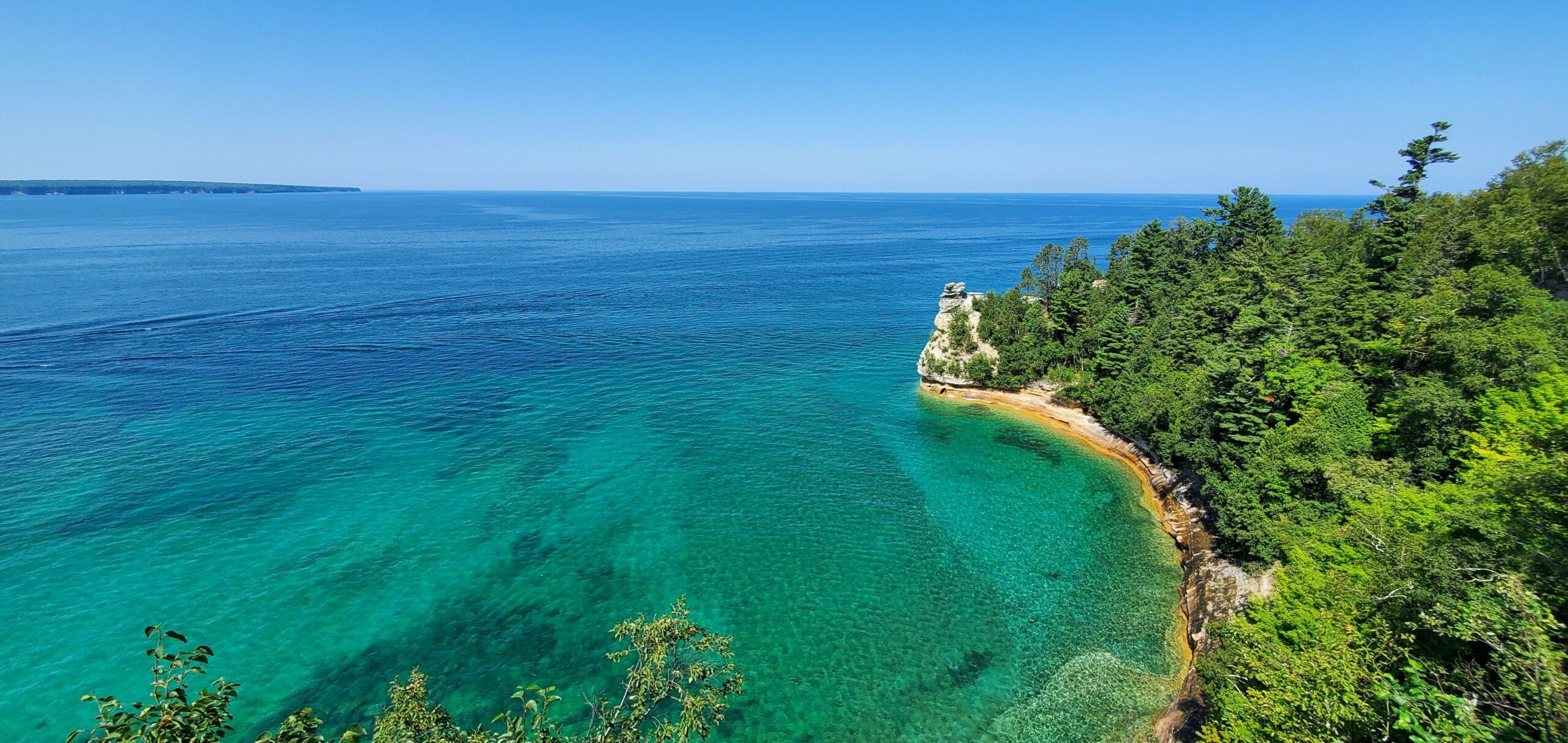
Having lived in the American Midwest for nearly twenty years, I have grown to value a different way of life. The Midwest may not be known as the nation’s intellectual center, but it offers qualities that are equally meaningful to me: a practical outlook, genuine people, and a steadier rhythm of life, all set against the quiet beauty of the Great Lakes.
Boston is a city that continually inspires curiosity and learning.
The Midwest is where I’ve learned to appreciate the quiet satisfaction of everyday life.
I’m grateful to have experienced both.
— Linden Lake
Leave a Reply